

- SEO
Why Rebranding Is Bad For Your Online Business
•

Rebranding is bad for your business.
I’ll tell you how I know. I personally work with all the publishers at Mediavine that work through a rebrand. I have handled 60 publishers that have gone through the process over the last 14 or so months. And while some may have seen success (those are no doubt the instances you have read about in groups and while chatting with friends), the success stories are for sure the exception and not the rule.
But I don’t feel like my name fits me anymore!
I know, I know. If you started with a site called ilovehotdogs.com and now you are vegan, you have to do what’s right for your business. But it’s really important to remember that you are running backwards as far as your existing content goes. You’ve spent the life of your blog giving clout and weight to the domain you have. If you suddenly have a new domain you go back to being the new kid on the block.Google doesn’t love redirects. In fact, if you go digging through the endless resources of the internets you will find that the only kind of redirect that we know won’t hurt your Google ranking [as long as it’s handled correctly] is the redirect from HTTP to HTTPS. There’s lots of guesstimating on best practices, but even Moz states that all redirects carry a degree of SEO risk.
What about my ads?!
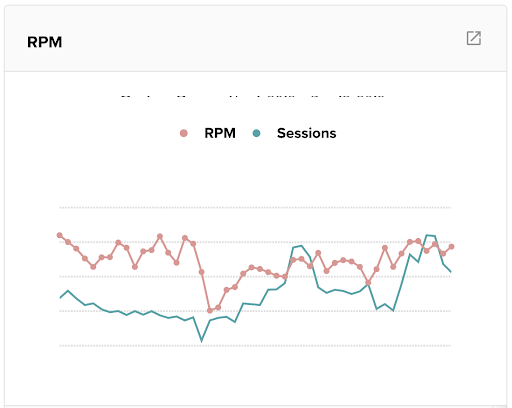
Advertising adds a whole new layer to your redirect complications. On the ad side of things, we have to re-apply to all our partners on your behalf all over again. It’s like having a brand new application. In addition, we have a couple of really great partners that need a domain to be at least a year old to bid. Sometimes that can be appealed, but sometimes it can’t be, and there are really no guarantees about how that will go.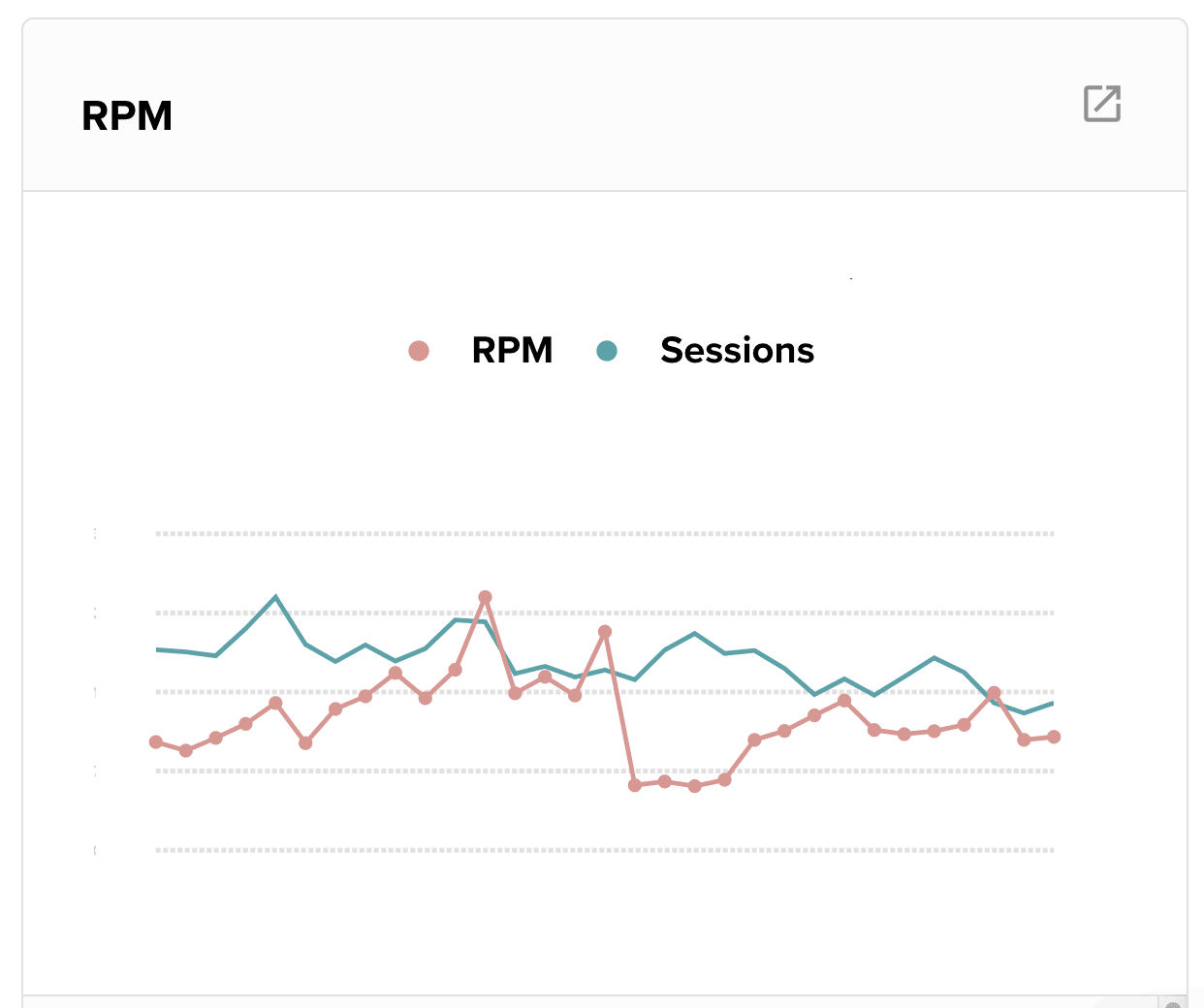 This is a screenshot of a publisher’s dashboard on either side of a rebrand. You can see what happened to the RPM before and after rebranding, with an overnight drop of more than 79%. This site was on a steady rise and then everything dropped off sharply.
 Because here’s the thing; when you change URLs you are changing your unique identifier on the internet. All of your search traffic and posts and great content are tied to the URL you have, not the one you want.
It’s important to note that display advertising was built with domains like NewYorkTimes.com or ABCNews.com in mind. Neither of those entities will ever change their domains, so it’s not something that even enters into consideration for the advertising partners and exchanges, and their tools aren’t built to understand it.
A new domain pointed at years of content is no different than a brand new website with content they’ve never seen, as far as they are concerned.
Because here’s the thing; when you change URLs you are changing your unique identifier on the internet. All of your search traffic and posts and great content are tied to the URL you have, not the one you want.
It’s important to note that display advertising was built with domains like NewYorkTimes.com or ABCNews.com in mind. Neither of those entities will ever change their domains, so it’s not something that even enters into consideration for the advertising partners and exchanges, and their tools aren’t built to understand it.
A new domain pointed at years of content is no different than a brand new website with content they’ve never seen, as far as they are concerned.
Long Term Effects
While these overnight drops are significant and carry an amount of sticker shock that can dissuade many, it’s important to note that this isn’t just an overnight drop that over time rectifies. By tossing away the original domain, you are tossing away the history the ad exchanges and partners understood about that domain, and how they purchased against it. They will evaluate the new domain independently, and the history you had previously will never be joined up with the new domain. Months and years down the road, we see domain rebrands with better stats with regards to ad impressions and viewability, but their eCPMs are still lower than before re-brand. For example, the domain in the second example above had roughly the same number of impressions in November 2018 and November 2019. The site had roughly the same fill, slightly better viewability, and yet the eCPM was roughly 7% lower, despite eCPMs being up year over year Mediavine-wide. My friend saw rebrand success!!! I won’t dispute the edge cases. What I will say is that the part you don’t see is all the money spent on SEO help and design/developer work. All the time devoted to re-marketing and revitalizing the new brand. It takes A LONG TIME. And success is not guaranteed. And just like with any comparisons from site to site, you don’t ever really have all the facts. Your friend might have delved into keyword research, rewritten old posts, updated alt tags, or pulled all the good details from our awesome SEO checklist! What I’m saying is, it’s almost always best to work with what you’ve got. If your URL is ilovehotdogs.com and now you’re vegan, slap a photo of a dachshund somewhere and tell your story. Explain why you loved hot dogs and now you are all about kale. Know that your story, your talent, your skill, and your creativity are all more relevant to your readers than your URL or your blog name. Blogs are special because they cover all kinds of ground. They let you teach and share. They give you the opportunity to tell a story that lends authenticity and above all CONNECTS. That’s the benefit that you have when you work in this space. Use it to your advantage.About the author

Share this page