

- Advertising
The Q2 eCPM Pattern Most Publishers Miss
4 min read
•
•
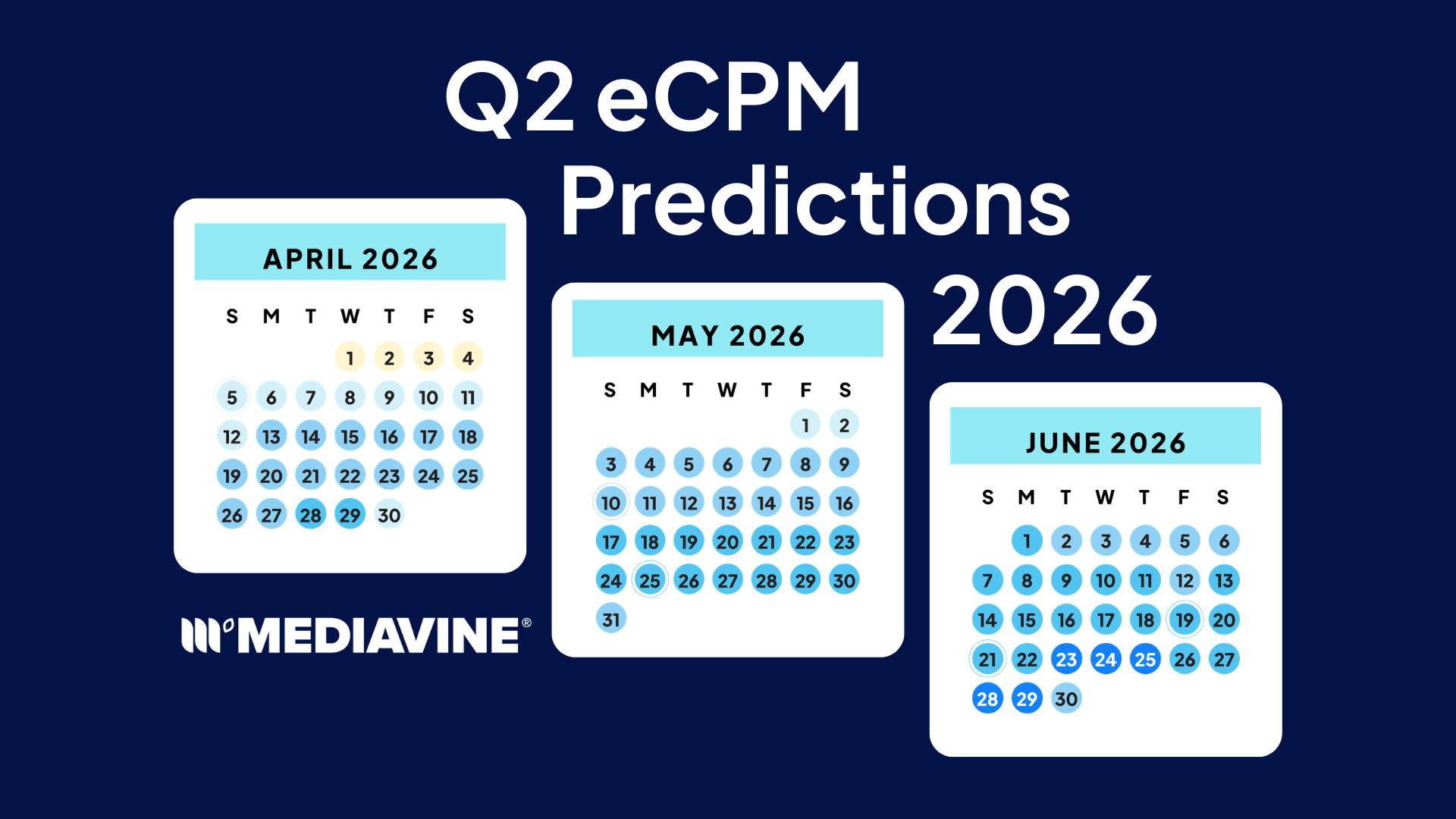
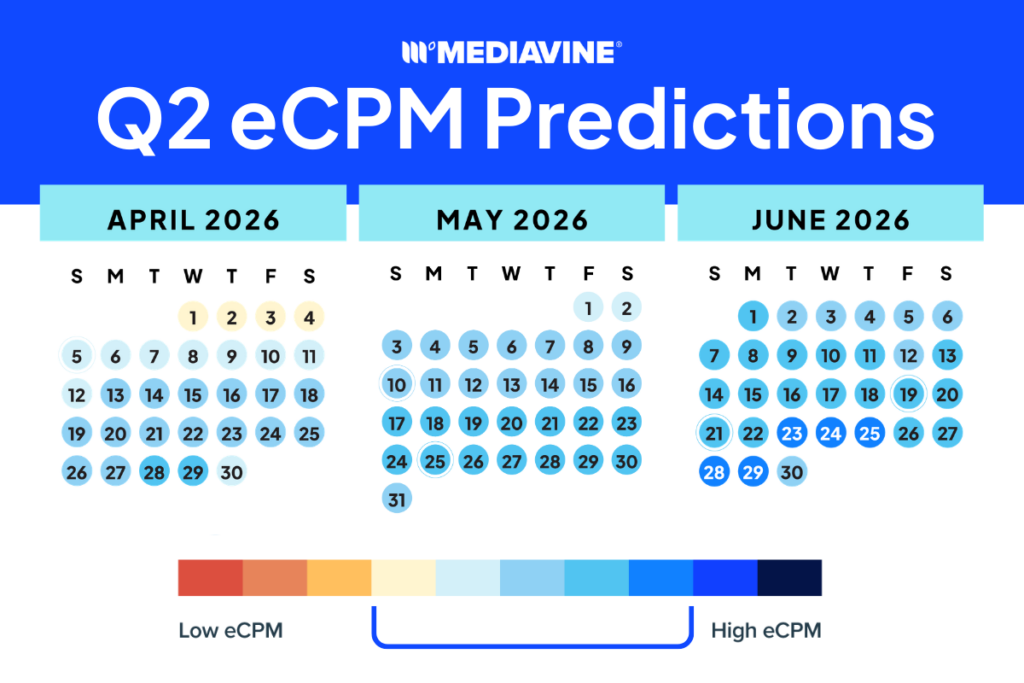
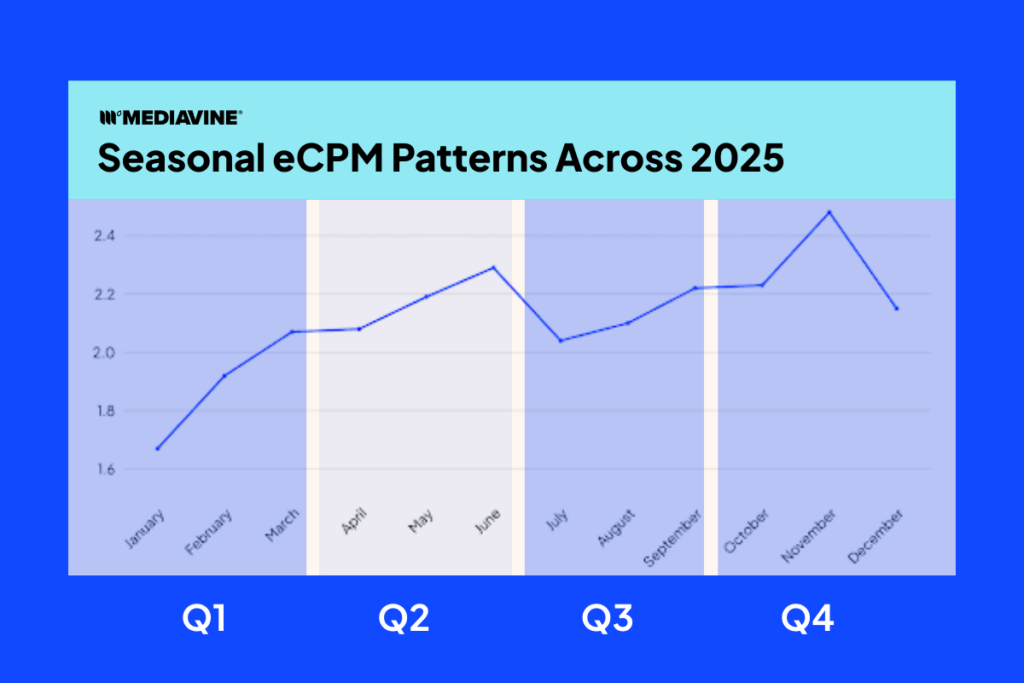
If you’ve been in the content creation business long enough, you’ve probably noticed a familiar shift around the start of spring. After the budget reset in the first quarter (outlined in our previous post), RPMs often start trending upward, advertiser activity becomes more consistent, and dashboards begin looking a little healthier.
Publishers are glad to leave Q1 behind, and the Q2 improvement is hard to miss, but here’s what’s actually driving it and why the recovery unfolds the way it does.
The pattern comes down to three things happening at the same time:
- Advertisers move from planning mode to execution
- Multiple seasonal events layer demand across the quarter
- Quarter-end budgets increase competition later in June
Understanding these forces makes performance in Q2 much easier to interpret.
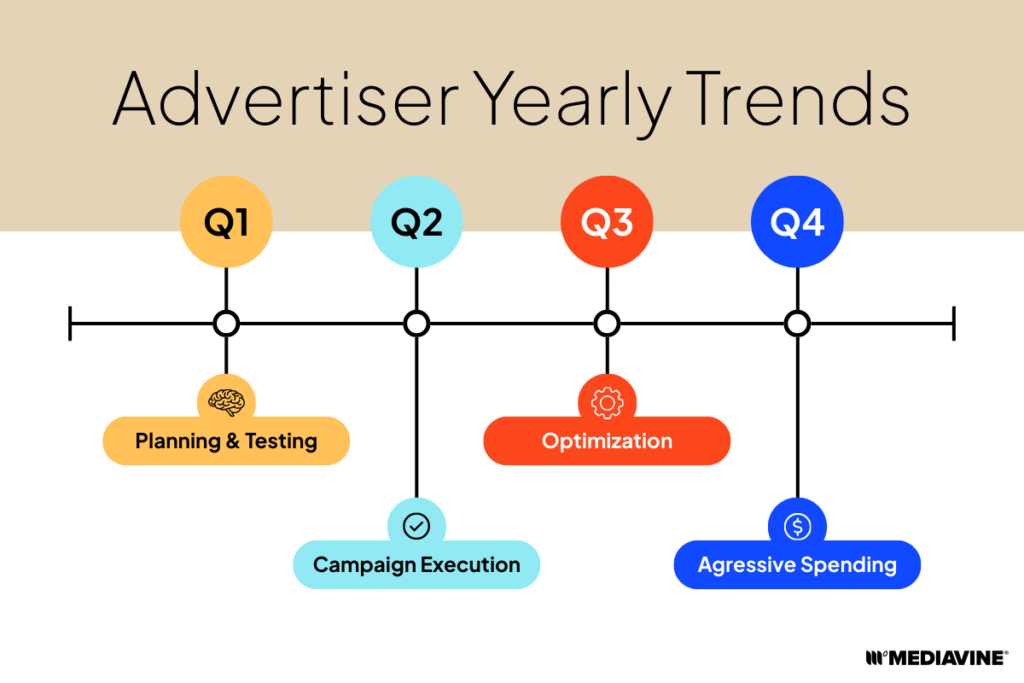
Advertisers Move From Planning to Execution
The first part of the pattern starts with how advertisers plan their budgets. Q4 ending and slowing consumer spending make for a perfect time to reevaluate last year’s results.
This is also when fiscal years end, and budgets have just reset. Marketing teams can use this time to test new campaigns and refine their strategy for the coming year. Spending always ramps up slowly while those decisions take shape.
Now for the good news! By the time April arrives, most of that groundwork is finished. Budgets have been approved, campaigns are active, and teams have shifted their focus from testing to scaling what works. These changes make a substantial positive impact for publishers, and not a moment too soon.
With more active campaigns, more advertisers are competing for the same audience.
When more advertisers want the same inventory, prices tend to move upward. That shift from planning to execution is one of the main reasons eCPMs often begin to improve in Q2.
Seasonal Events Stack Demand Across the Quarter
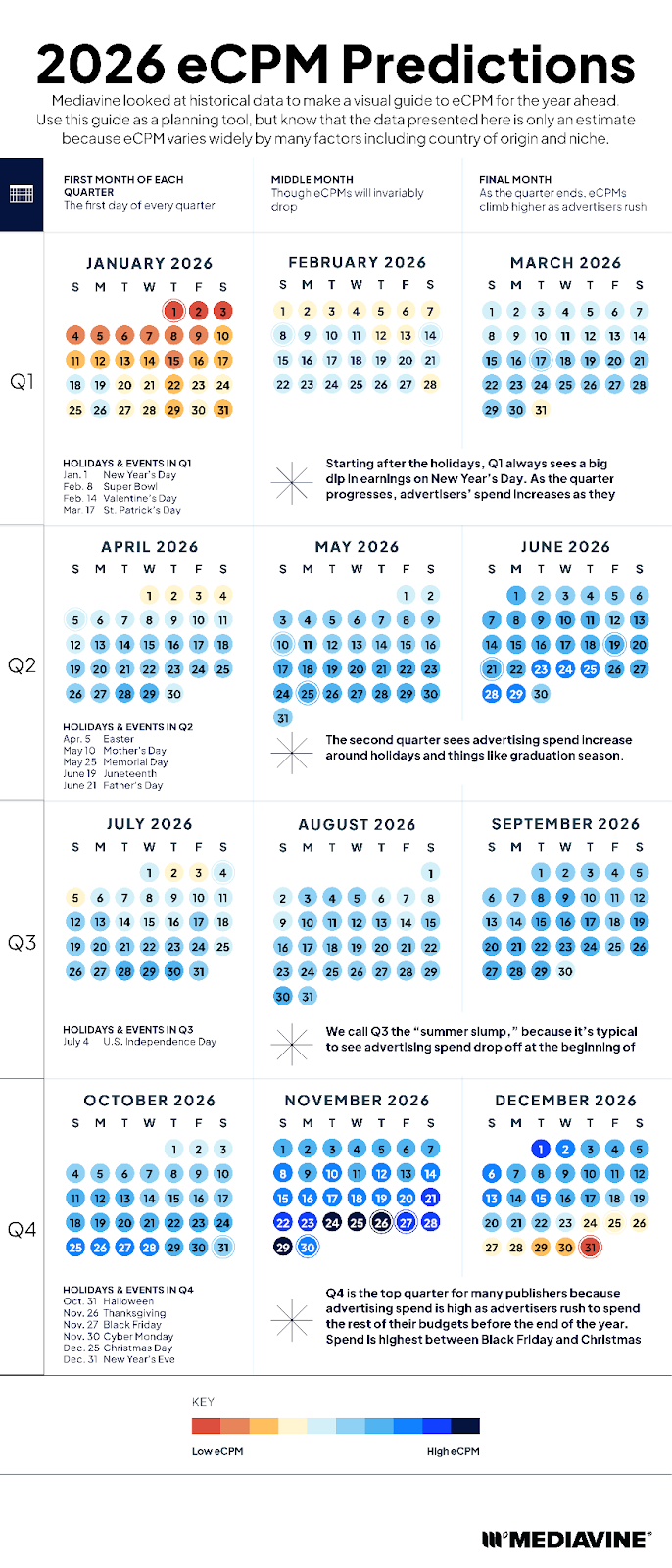
Q2 is packed with holidays and events that drive advertiser demand. It’s a peak period for sports, including the NBA Playoffs, NHL Stanley Cup Playoffs, and major golf tournaments like The Masters and PGA Championship. Add Easter, Mother’s Day, Memorial Day, graduation season, Father’s Day, plus early summer travel, and you have a quarter full of demand drivers.
None of these individually move the needle the way Black Friday does, but together they create a consistent push in advertiser demand across the quarter.
What makes this interesting is that each event pulls in different advertisers. Retail brands push gifts. Travel companies start marketing summer trips. Lifestyle and outdoor brands lean in as the weather turns.
Some events like graduation season bring multiple industries into the market at once. Families are buying gifts, booking travel, planning parties, and stocking up on supplies all at the same time.
The result isn’t a single spike. It’s demand layered week after week. That’s a big part of why Q2’s recovery feels gradual rather than sudden.
End-of-Quarter Budgets Drive Later Ad Spend
Early in the quarter, campaigns tend to start more measured. Teams are evaluating performance and pacing carefully. But as the quarter winds down, the math changes.
Unspent budgets don’t always roll over. In some organizations, it’s a true “use-it-or-lose-it” situation, and letting budget go unspent can work against you when allocations are set for the following year. So advertisers accelerate spending in the final stretch to get their dollars out the door.
More advertisers competing for the same inventory pushes eCPMs up. This happens every quarter, and Q2 is no different.
In practice, late June almost always outperforms early April, and the days leading up to quarter-end show the strongest demand of the quarter.
Why Q2 Often Feels More Stable
Compared to other quarters, Q2 tends to produce fewer dramatic swings. Q4 delivers major spikes tied to holiday shopping while Q1 introduces a reset as budgets refresh and campaigns ramp slowly. Q2 behaves differently with its gradual improvements across the quarter. For most publishers, Q2 should feel less like a roller coaster and more like a steady climb.
How Publishers Can Stay Ahead of Q2 Trends
Seasonal patterns aren’t something publishers need to chase. They provide context for planning content and setting expectations.
A few practical ways to approach Q2:
- Refresh seasonal content early
Posts related to Mother’s Day, graduation, summer travel, and outdoor activities benefit from updates ahead of time.
- Lean into evergreen summer topics
Travel guides, outdoor activities, family events, and seasonal recipes often align well with advertiser demand during this quarter.
- Watch late-quarter performance
End-of-Quarter budget behavior can make late June one of the stronger periods of the entire year.
- Keep performance in perspective
Even during stronger quarters, advertising markets still fluctuate day to day. Broader trends matter more than any single dip.
Q2 in the Context of the Advertising Year
Each quarter plays a different role in the annual advertising cycle.
- Q1 resets budgets and strategies
- Q2 stabilizes the market and builds momentum
- Q3 introduces more variability around summer demand
- Q4 delivers peak competition
Once you recognize the pattern, the changes in your dashboard start to feel less random. While the exact numbers change from year to year, the rhythm behind them tends to show up again and again.
If you’re curious about the bigger picture behind these seasonal shifts, our guide on why eCPMs rise and fall throughout the year breaks it down in more detail. And if you’d like to see how those trends often translate to specific dates, our annual Best eCPM Days calendar visualizes how advertiser demand typically moves across the year.
About the author

Share this page

The Mediavine Difference
You build content that defines industries. We build the monetization that powers it.